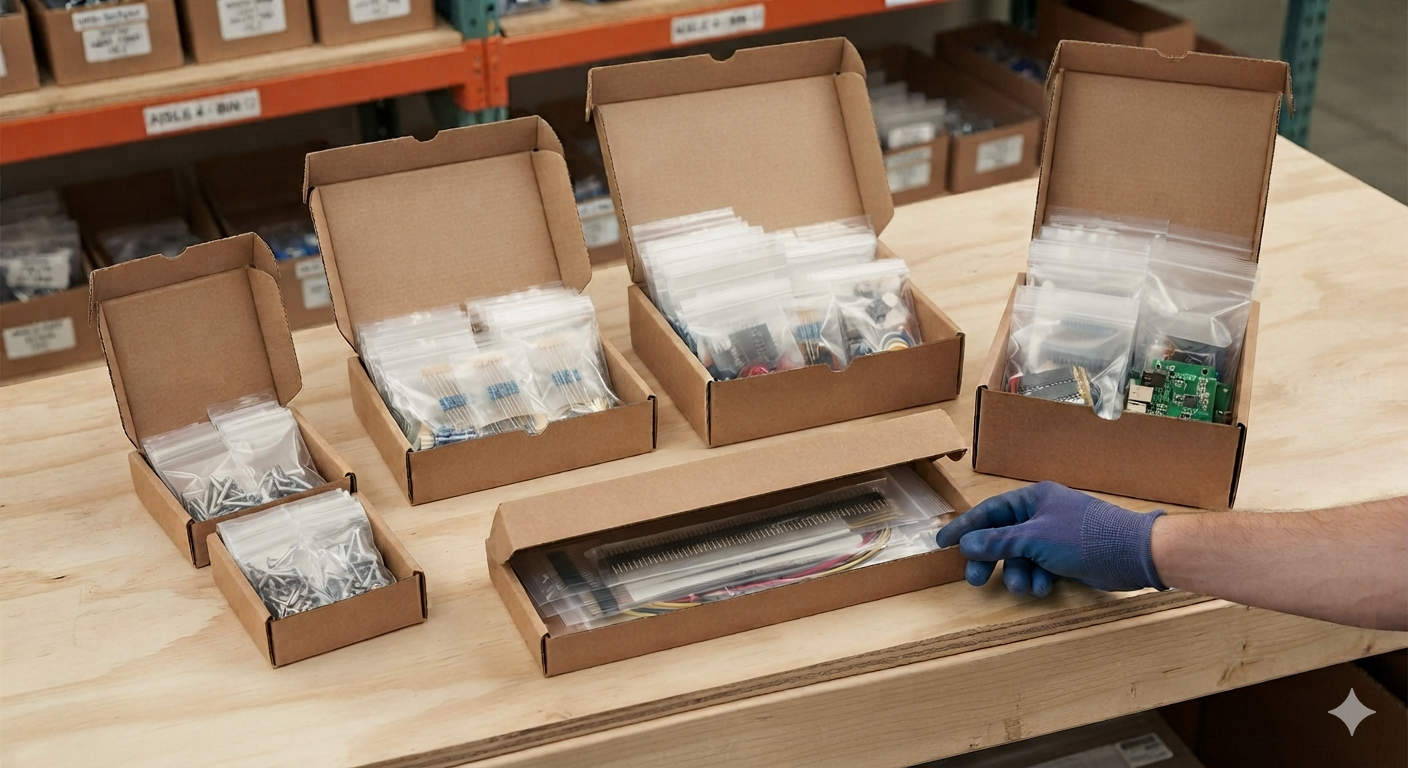
Structural Engineering of Corrugated Boxes: Single vs. Double-Wall Compression & Pallet Stacking
Key Takeaway
In-depth engineering analysis of fluting profiles, Edge Crush Test (ECT) ratings, and McKee formula compression limits for B2B supply chains.
In automated B2B logistics networks, corrugated carton failure is rarely caused by material puncture—it is caused by dynamic compression fatigue. When pallets are stacked two- or three-high in warehouse racking or freight trailers, bottom-layer cartons bear hundreds of kilograms of static and vibrational load.
Executive Summary
Single-wall cartons (125KT B-Flute) offer excellent puncture resistance for loads up to 15kg at minimal tare weight. Double-wall cartons (300KT BC-Flute) combine high-frequency shock absorption with rigid vertical fluting to support loads up to 40kg, preventing catastrophic pallet lean in multi-tier transit.
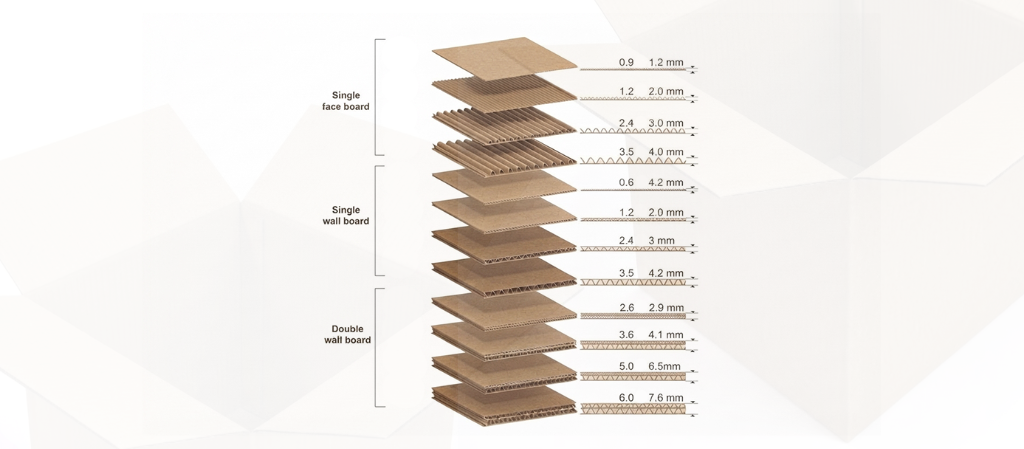
1. Flute Architecture: B-Flute vs. BC-Flute Twin Wall
Single Wall (125KT B-Flute)
- • Flute Profile: ~3.0mm thickness with approx. 150 flutes per linear meter.
- • Board Construction: 125gsm Kraft outer liner, recycled Test inner liner.
- • Edge Crush Test (ECT): ~3.8 kN/m.
- • Max Recommended Load: 15 kg standard courier dispatch.
- • Primary Benefit: Lowest material cost and storage space footprint when flat-packed.
Double Wall (300KT BC-Flute)
- • Flute Profile: ~6.5mm dual-laminate (B-Flute 3mm + C-Flute 3.5mm).
- • Board Construction: 300gsm Heavy Kraft liners with reinforced twin fluting.
- • Edge Crush Test (ECT): ~7.5–9.2 kN/m.
- • Max Recommended Load: 35–40 kg heavy freight and export.
- • Primary Benefit: Resists corner crush, sidewall bulge, and heavy pallet stacking pressures.
2. The Physics of Pallet Stacking: Column vs. Interlocking
Corrugated boxes derive up to 65% of their total top-to-bottom compression strength from their four vertical corners. In B2B warehouse environments:
- Column Stacking: Aligning corners directly over corners maximizes Box Compression Test (BCT) strength, allowing single-wall cartons to perform reliably.
- Interlocking (Brick-Pattern) Stacking: While providing horizontal pallet stability, interlocking places box corners over the center of the box below, degrading stacking strength by up to 45%. Double-wall (BC-flute) boxes are mandatory when interlocking pallet patterns are used.
📋 Quick Decision Matrix: Single Wall vs. Double Wall Cartons
- Choose Single Wall if: Pallet loads are uniformly column-stacked under 400kg total weight, or items are pre-packaged in sturdy inner retail boxes.
- Choose Double Wall if: Pallets are double-stacked in transit, cargo exceeds 15kg per box, or freight travels via LTL (Less-Than-Truckload) courier networks.
- Choose Single Wall if: Shipping standard lightweight goods (apparel, books, cosmetics, lightweight toys) under 10kg.
- Choose Double Wall if: Shipping high-value electronics, fragile ceramics, liquids, or items where carton puncture would result in costly returns.
Ready to order packaging featured in this guide?
Explore full sizing specs, volume discount tiers, and instant pallet pricing in our live catalog matrix.
Related Technical Guides
Warehouse Outer Layer Guide: Corrugated Boxes vs. Grey Mailing Bags vs. Jiffy Padded Bags
Clothing & Apparel Shipping Guide: Why Grey Mailing Bags & Plain Grip Seal Bags Are the Industry Standard
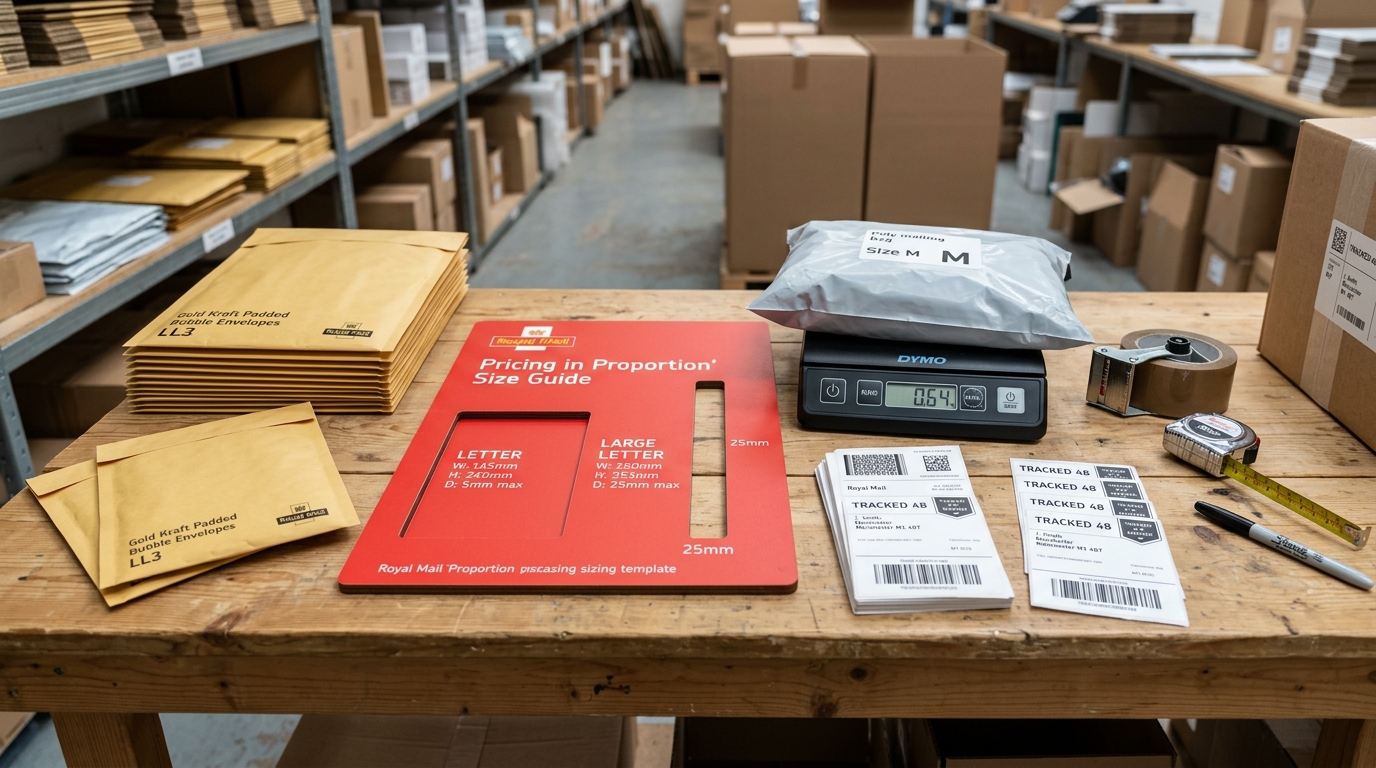
Royal Mail PiP (Pricing in Proportion) & Courier Mailer Sizing Guide