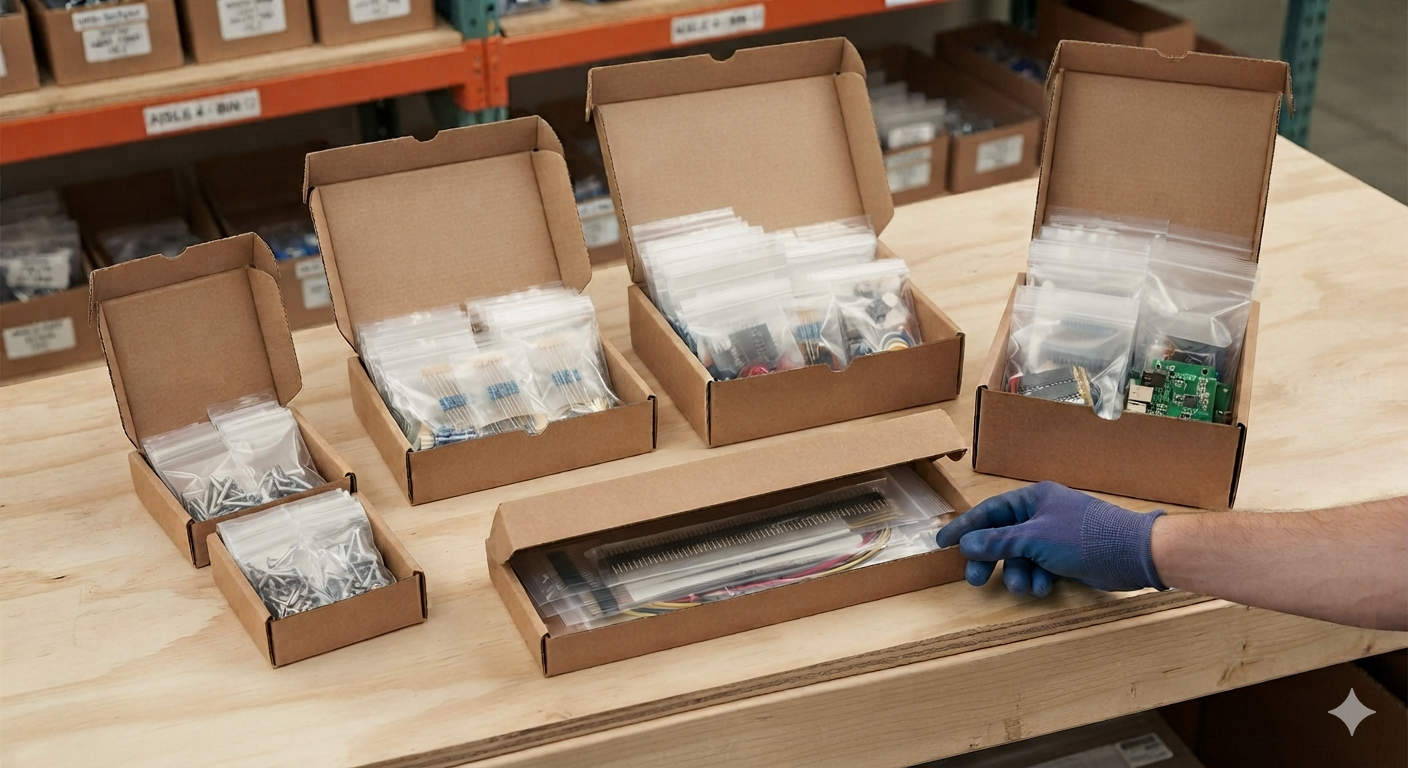
Warehouse Outer Layer Guide: Corrugated Boxes vs. Grey Mailing Bags vs. Jiffy Padded Bags
Key Takeaway
Compare outer containment layers across transit protection, volumetric DIM weight shipping costs, and high-velocity packing line throughput.
Selecting the optimal outer packaging layer is the single most critical decision in balancing transit survivability against escalating courier dimensional weight (DIM weight) surcharges. In high-volume fulfillment environments, using an oversized corrugated box where a flexible courier mailer or padded envelope suffices creates unnecessary shipping expense and slows packing throughput.
Executive Summary
Corrugated cartons provide rigid stacking compression for fragile or heavy goods, but carry DIM weight penalties and require taping. 55-micron Grey Mailing Bags slash postal rates for soft goods by up to 60%, while Jiffy Padded Bags offer heavy puncture resistance for unboxed hardware without requiring separate void fill.
1. Technical & Engineering Performance
Wall Cardboard Boxes
Structure: FEFCO 0201 rigid Kraft fluting (Single Wall 125KT or Double Wall 300KT).
Protection: Supreme crush resistance, puncture protection, and pallet stackability.
Best for: Fragile goods, ceramics, multi-item retail orders, heavy tools.
Grey Mailing Bags
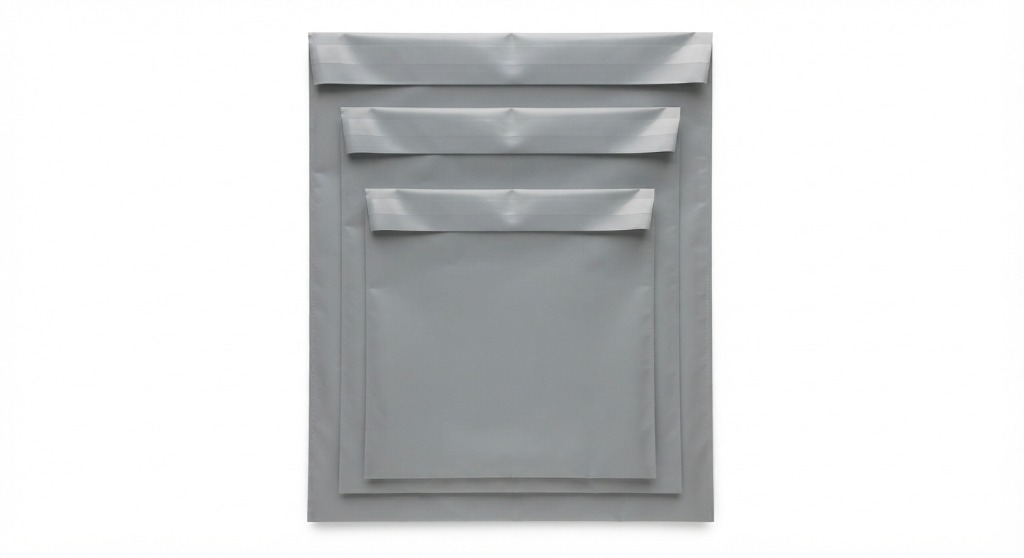
Structure: 55-micron (220 gauge) co-extruded opaque LDPE with permanent tamper-evident peel-and-seal lip.
Protection: 100% waterproof, burst-proof seams, zero void fill needed.
Best for: Apparel, textiles, soft goods, boxed non-fragiles.
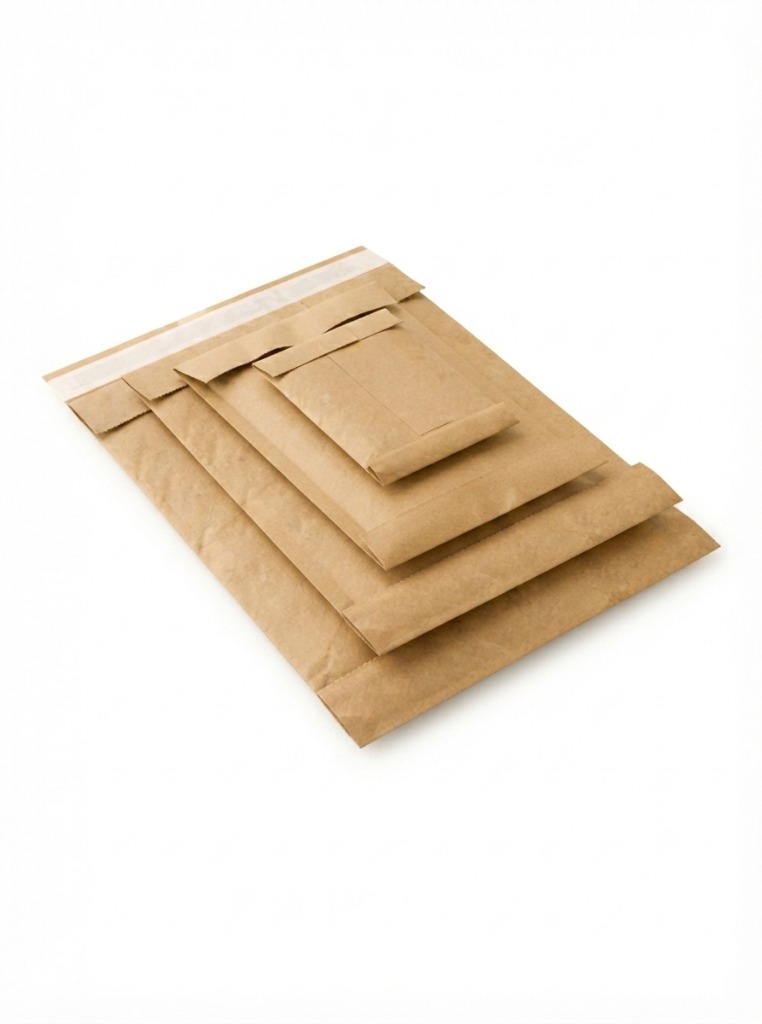
Jiffy Padded Bags
Structure: 100% recycled macerated paper fiber cushioning bonded between heavy-duty Kraft outer liners.
Protection: Superior puncture and tear resistance against sharp-cornered goods.
Best for: Metal hardware, books, engineering components, spare parts.
2. Dual-Intent Angle: Warehouse Economics vs. Small Merchant Reality
For B2B Warehouses: Every millimeter of excess packaging multiplies across 40ft shipping containers and carrier volumetric tables. Switching apparel from small cartons to 55mu Grey Mailing Bags eliminates void fill costs, reduces pack station cycle times from 45 seconds down to 12 seconds, and increases pallet cube utilization by over 300%.
For B2C Small Businesses: Independent online boutiques need instant weatherproofing without expensive taping machinery. Padded bags and self-seal mailers arrive flat, store in compact spaces under pack benches, and guarantee tamper-evident delivery in torrential rain.
📋 Quick Decision Matrix: Which Outer Layer Should You Choose?
- Choose Wall Cardboard Boxes if: Orders exceed 3kg, require vertical pallet stacking in multi-tier racking, or contain fragile items needing internal void fill.
- Choose Grey Mailing Bags if: Packing over 250 apparel/soft orders daily where eliminating box assembly and courier volumetric fees saves £0.80–£2.40 per parcel.
- Choose Jiffy Padded Bags if: Shipping dense industrial fasteners or engineering components that would puncture standard polythene.
- Choose Wall Cardboard Boxes if: Curating a luxury multi-item gift hamper or shipping breakable glassware.
- Choose Grey Mailing Bags if: Selling clothing, knitwear, or boxed shoes requiring clean, 100% moisture-sealed transit.
- Choose Jiffy Padded Bags if: Sending books, jewellery, or handmade crafts with an eco-conscious 100% recyclable paper cushion.
Ready to order packaging featured in this guide?
Explore full sizing specs, volume discount tiers, and instant pallet pricing in our live catalog matrix.
Related Technical Guides
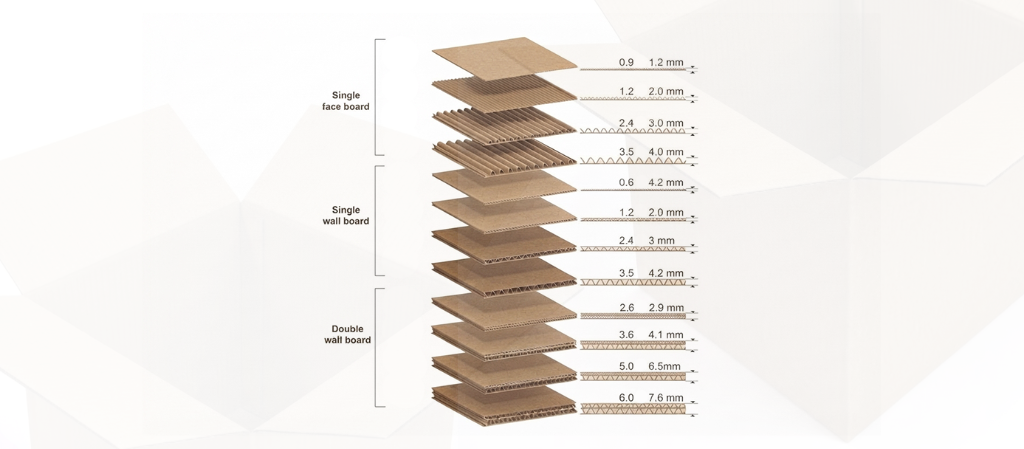
Structural Engineering of Corrugated Boxes: Single vs. Double-Wall Compression & Pallet Stacking
Clothing & Apparel Shipping Guide: Why Grey Mailing Bags & Plain Grip Seal Bags Are the Industry Standard
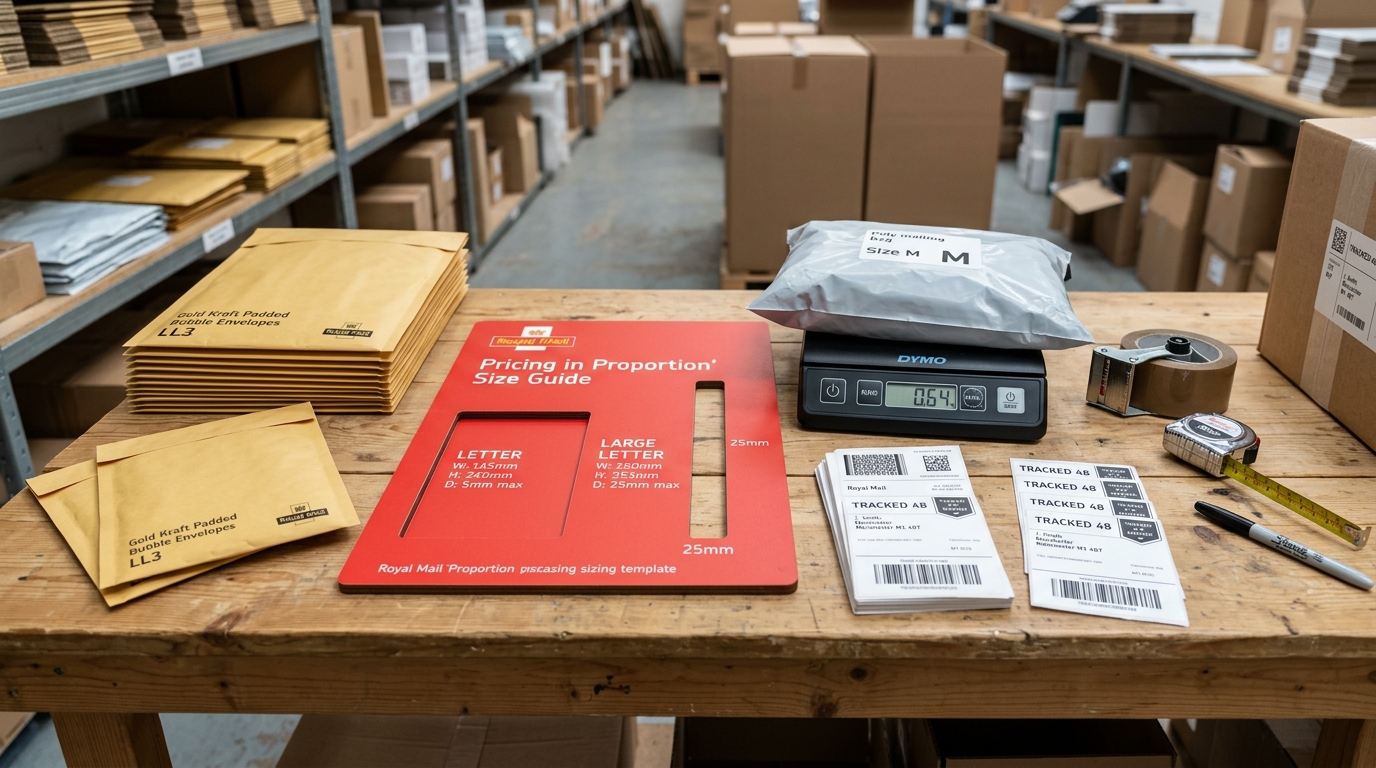
Royal Mail PiP (Pricing in Proportion) & Courier Mailer Sizing Guide